
Applying for a Morocco eVisa is meant to be simple. Most travellers fill out the online form, upload a few documents, pay the fee, and move on with planning their trip. But every year, a noticeable number of applicants get an unwelcome surprise: a rejection notice, often for reasons that could have been avoided with a little extra care.
If you're preparing to apply for your Morocco tourist eVisa or a Morocco business eVisa, it helps to know exactly what trips people up. Below, we've broken down the most common causes of Morocco eVisa denial, along with practical steps to keep your own application on track.
What You Need Before You Even Start
Before diving into the mistakes people make, it's worth confirming you actually have everything the Morocco eVisa portal expects:
- A valid passport - it needs at least 6 months of validity remaining from your planned entry date, plus a minimum of one blank page for stamps.
- A recent passport-style photo - clear, high-resolution, and taken against a plain background.
- Business support documents - if you're travelling for work, you'll need an official invitation letter from a Moroccan host company.
- Proof of eligibility, which usually means one of the following, depending on your nationality:
- A multiple-entry visa (valid for at least 90 days) issued by the Schengen Area, USA, UK, Canada, Japan, Australia, or New Zealand, or
- A residence permit (valid for at least 180 days) from one of those same countries or regions.
Missing even one of these can be enough to stall or sink an otherwise solid application. Now let's look at the specific reasons Morocco eVisa applications actually get turned down.
1. Incomplete or Inaccurate Application Forms

This is, by far, the most common reason for rejection. A mistyped passport number, a birth date that doesn't match your passport, or a name spelled slightly differently than it appears on your travel document - any of these can trigger an automatic denial.
How to avoid it: Go through your form line by line and compare every entry against your passport. Small typos are easy to miss but hard to explain away later.
2. An Expired or Damaged Passport
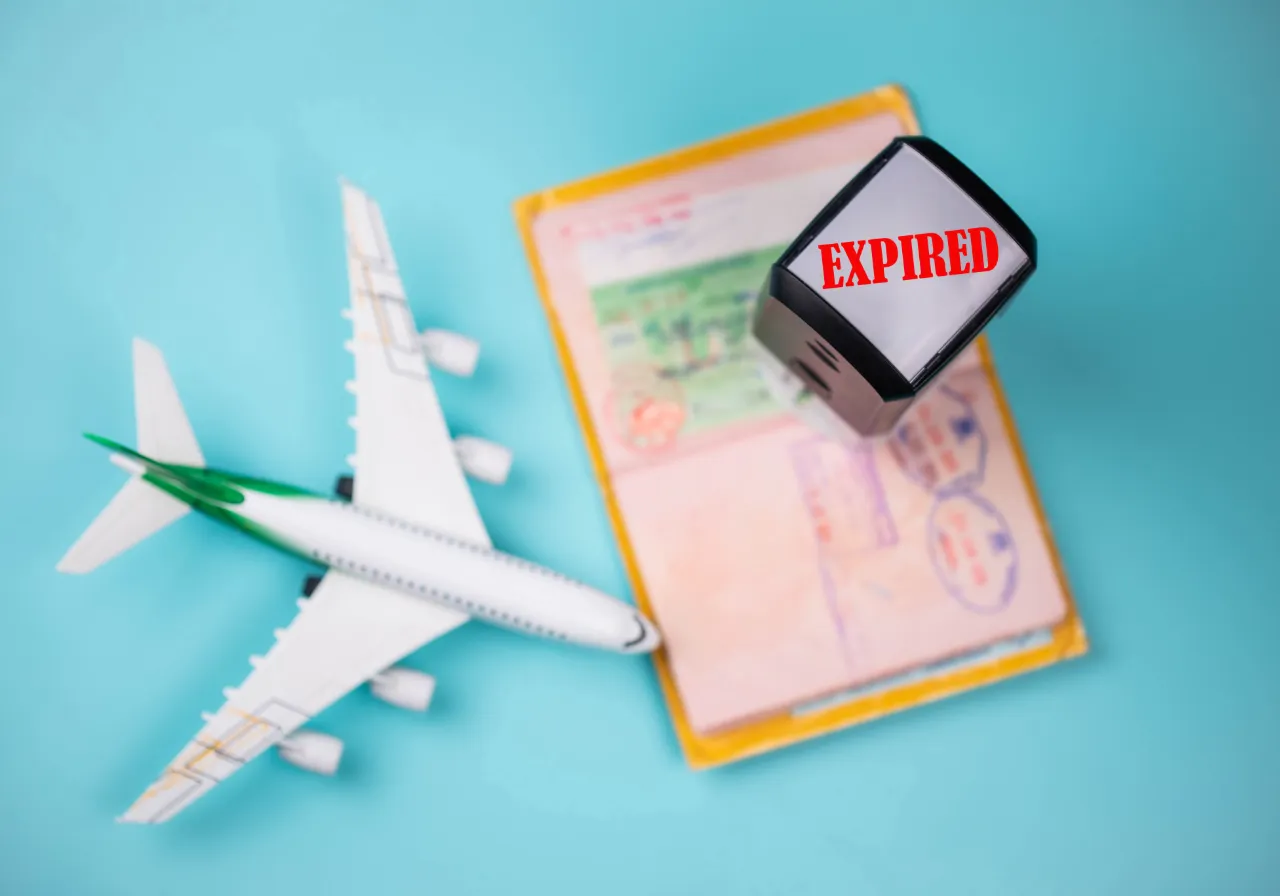
Immigration authorities are strict about passport condition. If your passport has less than six months of validity left, or shows visible wear like water damage, torn pages, or loose bindings, expect a rejection.
How to avoid it: Renew your passport well ahead of your travel dates if it's close to expiring, and make sure there's enough blank space left for entry stamps.
3. Low-Quality or Illegible Document Uploads
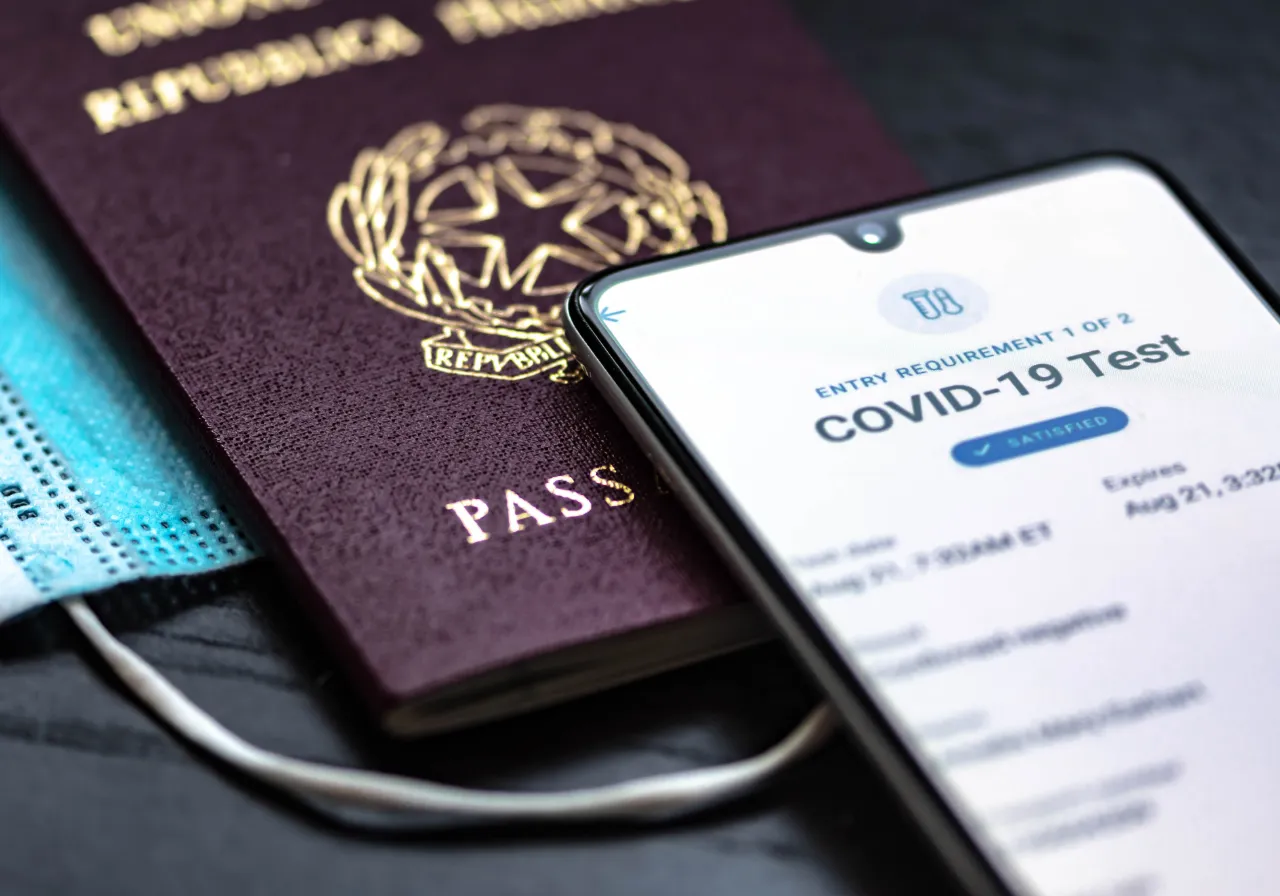
Blurry scans, cropped photos, or documents that are hard to read create real problems for the reviewing officer. If they can't verify your identity or details clearly, the application gets flagged.
How to avoid it: Scan your documents at a high resolution, save them as PDF or JPEG, and check that file sizes fit within the platform's upload limits before submitting.
4. Mismatched Travel Details
If the travel dates on your eVisa application don't line up with your flight bookings or hotel reservations, it raises a red flag about the credibility of your trip.
How to avoid it: Keep your itinerary, accommodation bookings, and application dates consistent. If your travel plans shift after you've applied, update your supporting documents right away.
5. Not Meeting the Basic Eligibility Requirements
Some nationalities or passport types simply aren't eligible for the Morocco eVisa, or the purpose of travel stated doesn't match what the eVisa category permits.
How to avoid it: Check the eligibility criteria on the official portal before you start, and be clear that your visit is genuinely for tourism or business - not an extended stay or relocation.
6. Providing False or Misleading Information
Whether it's intentional or an honest mistake, inconsistent or inaccurate details can lead to rejection - and in serious cases, a permanent entry ban.
How to avoid it: Be fully transparent throughout the process. Double-check every number, especially passport details and dates, since even accidental errors can look like an attempt to mislead.
7. Payment Issues During Submission
An application isn't processed until the fee clears. Failed transactions, usually caused by card restrictions or insufficient funds, leave applications stuck in limbo.
How to avoid it: Use a credit or debit card that supports international transactions, and confirm with your bank beforehand that overseas payments won't be blocked.
8. A History of Visa Refusals or Border Issues
If you've previously overstayed a visa or been denied entry somewhere, expect extra scrutiny on your Morocco application.
How to avoid it: Resolve any outstanding legal or immigration issues first. If relevant, attach a short cover letter explaining the circumstances of any past refusal.
9. Insufficient Proof of Financial Means

Applicants need to show they can financially support themselves for the length of their stay in Morocco.
How to avoid it: Upload recent bank statements or an employment letter that clearly demonstrates you have enough funds for your trip duration.
10. Missing Deadlines for Additional Document Requests
Sometimes the reviewing authority asks for more information. If you miss that request or respond too late, your application is denied by default.
How to avoid it: Check your email - including spam and promotions folders - daily while your application is under review, and respond quickly with properly formatted files.
11. Technical Problems During Submission
Unstable internet connections or session timeouts can result in corrupted files or incomplete uploads, even if you did everything right on your end.
How to avoid it: Apply using a stable, reliable internet connection, save your progress as you go, and double-check that every attachment appears correctly before hitting submit.
12. Applying Too Close to Your Travel Date
Standard processing for the Morocco eVisa usually takes 3 to 6 working days, but that window can stretch during peak travel seasons. Applying at the last minute leaves no room to fix mistakes if something goes wrong.
How to avoid it: Submit your Morocco eVisa application at least 2–3 weeks before your planned departure to leave a buffer for corrections or delays.
What to Do If Your Morocco eVisa Is Rejected
A rejection isn't necessarily the end of the road. Start by reviewing the specific reason given by the authorities - most rejection notices include at least a brief explanation. Correct the issue, gather any missing or updated documents, and reapply.
For more complicated cases, such as a history of visa refusals or unclear eligibility, it's worth reaching out directly to the nearest Moroccan Consulate or Embassy. They can offer guidance specific to your situation and help you understand what a future application needs to succeed.
Final Thoughts
Most Morocco eVisa rejections come down to avoidable errors - a typo, a blurry scan, a mismatched date, or simply applying too late. Taking the time to double-check your documents, confirm your eligibility, and submit well ahead of your trip dramatically improves your chances of getting your Morocco eVisa approved without complications.
No comments yet.