India visa hub
Open the live India page for destination-specific visa information.
Open country page →
Understand admission evidence, financial proof, health checks, biometrics and the difference between a student visa and a tourist eVisa.
A student visa is designed for formal study at an authorised educational institution. Unlike a tourist or business eVisa, it often involves admission verification, financial evidence, health or insurance requirements, biometrics and a longer immigration process.
The route may be called a student visa, study permit or student residence permission. Some destinations allow limited work under specific conditions, but a tourist eVisa or ordinary visitor permission should not be treated as study or employment authorisation.
Use the live country links to move from this general preparation guide to destination-specific requirements. Always confirm the current rule with the destination immigration authority and your institution.
Do not begin a course or assume work rights on visitor permission. Study duration, institution type and any work allowance are controlled by the destination’s immigration rules.
Start with the real purpose of travel. A tourist, business, student, medical or transit route may have different documents and permitted activities.
Student permission depends on the course, institution, passport and financial evidence. Admission alone does not guarantee the visa decision.
Most study applications are built around:
These assumptions can create problems:
Use a purpose-first, passport-first workflow before payment or booking.
Obtain the official offer or enrolment evidence and check that the institution and course meet the destination rule.
Prepare passport, funds, tuition, accommodation, health, identity and translated documents where required.
Submit early enough for biometrics, requests for more information and any consular decision.

Use the country page for the current study route, because some destinations issue a visa, study permit, residence card or consular permission rather than an eVisa.
Use these country hubs to confirm whether the destination has a student, visitor or other study-related route.
Our specialists can help organise documents, flag avoidable inconsistencies and keep private assistance separate from the government decision.
Use live country pages for the next destination-specific step.
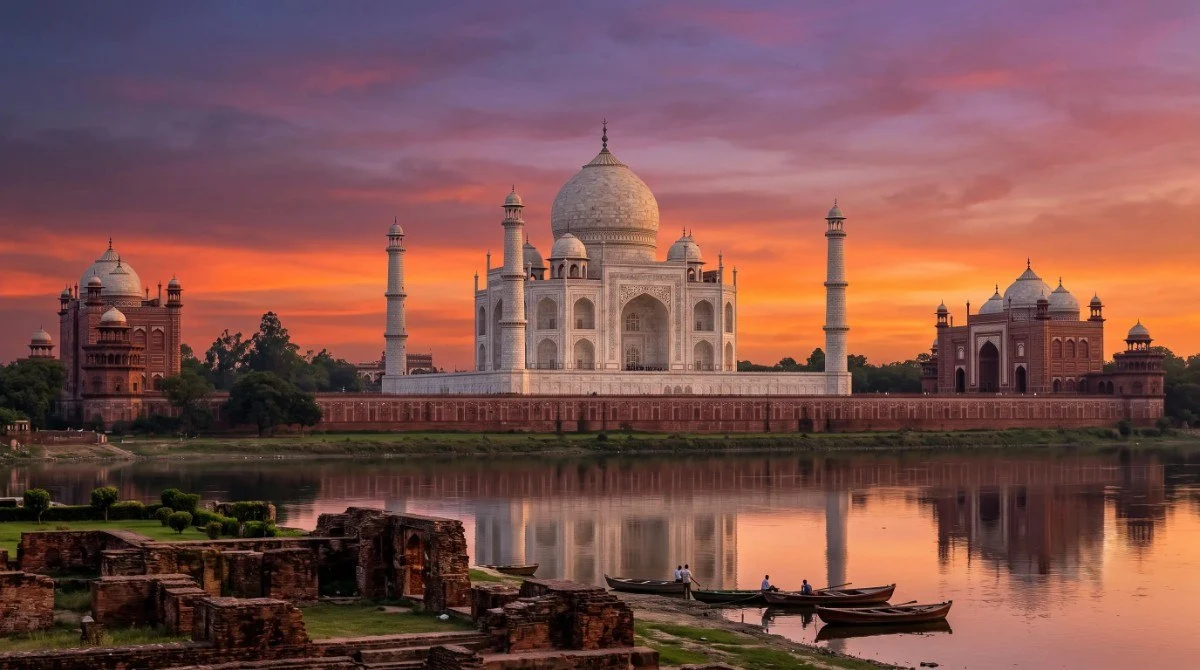
Open the live India page for destination-specific visa information.
Open country page →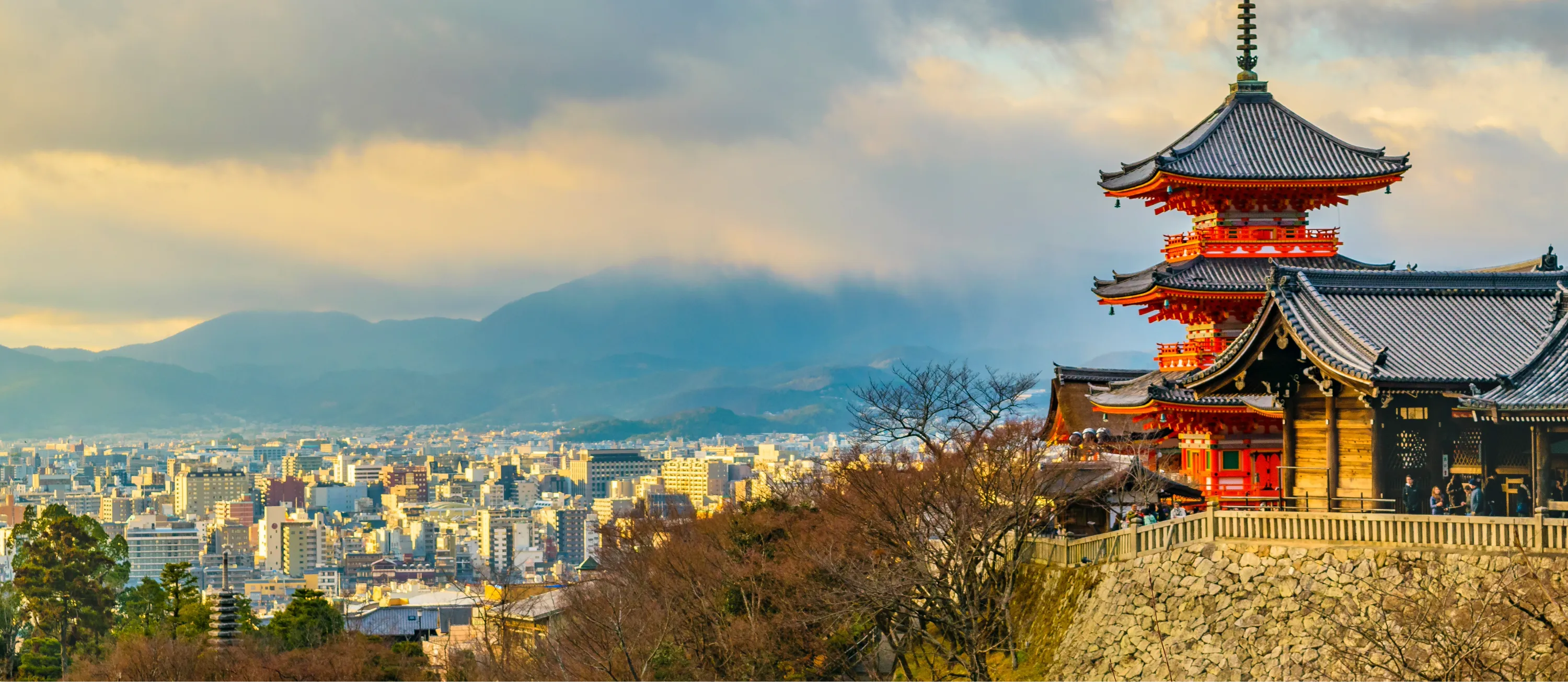
Open the live Japan page for destination-specific visa information.
Open country page →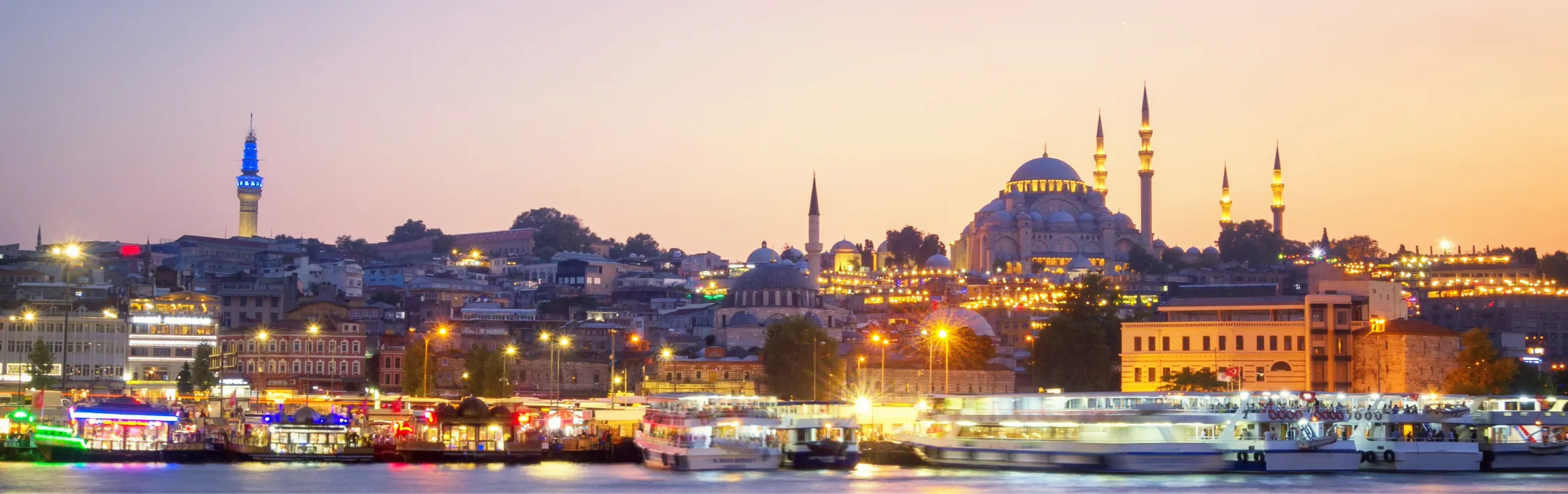
Open the live Türkiye page for destination-specific visa information.
Open country page →A student visa or study permit authorises formal education under the destination’s immigration rules. It is different from a tourist or business visitor permission.
Common documents include an admission letter, passport, proof of tuition or scholarship, proof of funds, health or insurance documents, accommodation details and identity records.
Work rights vary by destination, course and permission conditions. Never assume a student visa allows work; read the current official rule.
A tourist eVisa normally does not replace formal study permission. Short recreational courses may be treated differently, so confirm the destination rule.
Start as soon as admission and required evidence are available. Biometrics, medical checks and consular review can add time.
Clear guidance from eligibility to visa submission.