
Brazil Visa Guide
Detailed visa and entry information for the country you are viewing.
Apply online
Apply through our trusted visa processing partner.
Crew members joining vessels in Brazilian ports, or disembarking there, face a visa framework that works differently from standard tourist or business rules. Whether a seafarer needs a Brazil visa at all depends on a combination of nationality, the type of identity document held, and even the flag state of the vessel. This guide breaks down when the Brazil Seafarer eVisa applies, what documents crewing managers and seafarers need to prepare, and how to avoid the compliance risks that can result in significant fines.
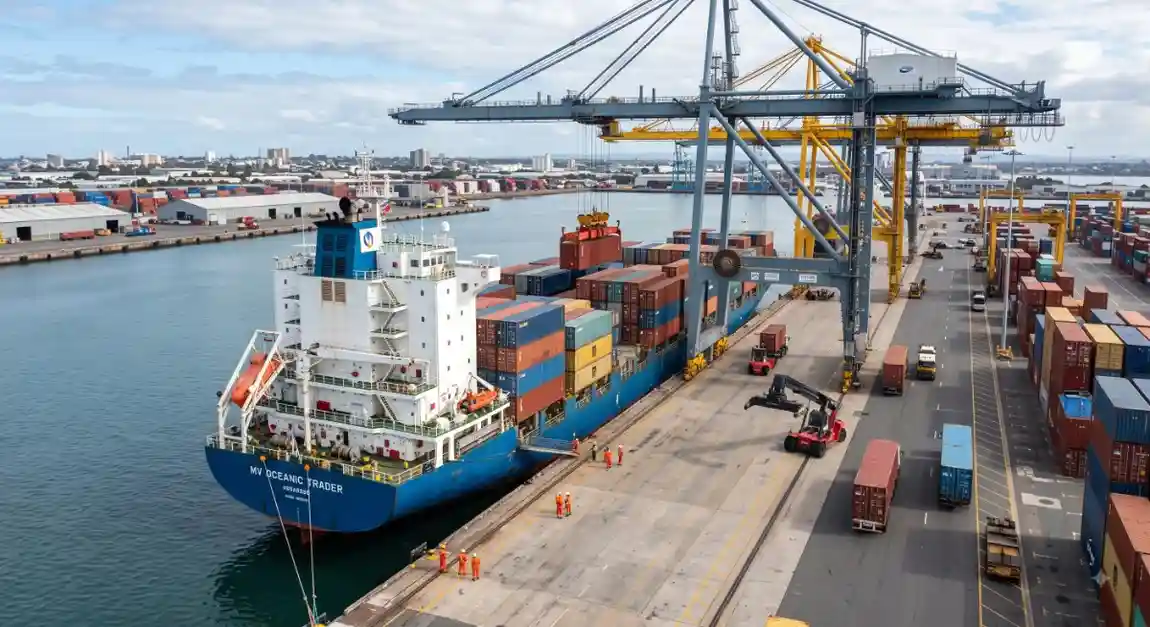

The Seafarer eVisa is a specialized electronic visa category for maritime crew members entering Brazil to join, work aboard, or disembark from a vessel. Unlike tourist or business travel, seafarer entry rules are governed heavily by international maritime conventions — specifically, whether a seafarer's home country has ratified ILO Convention 185, and whether they hold a compliant Seafarer's Identity Document (SID).
This depends on three factors working together — nationality, documentation, and vessel flag:
Because these rules intersect nationality, document type, and vessel flag simultaneously, it's worth checking your specific situation carefully rather than assuming a blanket exemption applies.

Seafarer eVisa applications require more vessel-specific documentation than standard tourist or business categories:
Because vessel details (IMO number, flag, port schedule) are central to this application, crewing managers should coordinate closely with the seafarer to make sure the dispatch letter and travel documents are fully consistent — mismatches here are one of the most common causes of delay.
Brazil treats seafarer documentation as a border immigration matter, not just an administrative formality. If crew arrive with non-compliant documentation, the legal entity responsible for the vessel can be fined — reportedly starting around BRL 1,000 per crew member at some ports, with immigration officers holding discretion to impose significantly higher penalties depending on the circumstances. There are no exemptions for crew who remain onboard rather than disembarking; the documentation requirement applies to the vessel's compliance status as a whole.
Given this, shipping companies and crewing agencies typically build seafarer visa verification into their pre-arrival checklist for every Brazilian port call, rather than relying on individual crew members to confirm their own eligibility.
check the seafarer's nationality against ILO 185 ratification status, SID validity, and the vessel's flag state.
dispatch letter, IMO number, flag, vessel type, and Brazilian ports of call.
through the official eVisa portal, selecting the Seafarer/Crewmember category.
ensuring consistency between the dispatch letter and travel itinerary.
and submit.
processing timelines can vary for crew applications, so applying well ahead of the scheduled port call is strongly recommended.
Both are Seafarer's Identity Documents issued under different ILO conventions. As of May 2025, Brazil only accepts SID C-185 for visa-free entry — the older SID C-108 no longer qualifies, meaning holders of that document type now need the appropriate visa or eVisa.
Yes. Visa exemptions in Brazil can depend on the flag state of the vessel in addition to the seafarer's own nationality, so two crew members of the same nationality could face different requirements depending on which ship they're serving on.
No. There is no exemption for crew who remain onboard rather than disembarking — documentation compliance applies to the vessel as a whole, and the responsible legal entity can still be fined for non-compliant crew documentation.
Eligible SID C-185 holders working on non-Brazilian maritime support vessels can generally stay up to 90 days in a migratory year, extending to 180 days in some specific circumstances. Seafarers who don't qualify for this exemption need the appropriate visa or eVisa instead.
In practice, the legal entity responsible for the vessel bears the compliance risk and potential fines, which is why most shipping companies build seafarer visa checks into their standard pre-arrival procedures for Brazilian ports.
VistoRoute is an independent visa information and facilitation platform and is not affiliated with the Government of Brazil, any consular authority, or maritime regulatory body. We help travelers and crewing teams understand eligibility and prepare accurate applications, but all final decisions on visa issuance and port entry rest with Brazilian immigration authorities. For official guidance, always cross-check with your nearest Brazilian consulate or maritime agent.