

On this page
- Cambodia Business eVisa at a Glance
- Tourist or Business eVisa: Which Do You Need?
- What You Need to Apply
- How to Apply for the Cambodia Business eVisa
- Entry Points That Accept the eVisa
- The Cambodia e-Arrival Card
- Fees and Costs
- Staying Longer and Business Travel Tips
- Where Business Travellers Go
- Frequently Asked Questions
Cambodia Business eVisa at a Glance
The business eVisa is issued under Cambodia’s ordinary visa category. These are the key facts:
| Detail | What to Know |
|---|---|
| Visa type | Ordinary visa (Visa E) |
| Purpose | Business meetings, conferences and other non-tourist visits |
| Entries | Single entry |
| Length of stay | Up to 30 days |
| Validity | 3 months from the date of issue |
| Government fee | US$35 |
| Processing time | Around 3 business days |
| Passport | Valid for at least 6 months, with at least one blank page |
| Extra document | A letter of invitation from your Cambodian host |
| Also required | The free Cambodia e-Arrival Card for air arrivals |
Tourist or Business eVisa: Which Do You Need?
The two eVisas share the same stay length, validity and processing time. The difference is the purpose of your trip and the supporting paperwork. If you will meet Cambodian companies, attend a conference or visit sites for work, apply for the business eVisa. Immigration officers can ask about the purpose of your visit, so it pays to apply for the category that matches it.
| Tourist eVisa (Visa T) | Business eVisa (Visa E) | |
|---|---|---|
| Purpose | Holidays and family visits | Business meetings and conferences |
| Government fee | US$30 | US$35 |
| Stay and validity | 30 days, valid 3 months | 30 days, valid 3 months |
| Extra document | None required for the eVisa | Letter of invitation |
Planning to work in Cambodia? Employment is governed by separate permit rules, so the eVisa alone does not give you the right to work. Citizens of visa-free countries can still apply for a business eVisa when their trip is for business.
What You Need to Apply
Prepare these documents before you start:
Valid passport
Valid for at least 6 months from your date of entry, with at least one blank page.
Passport bio-page scan
A clear, uncropped image of the page showing your photo and passport number.
Recent photo
A front-facing, passport-style photo against a plain background.
Letter of invitation
From the company or organisation you will meet in Cambodia, stating who you are, the purpose of your visit and your dates.
Hotel reservation
A confirmed booking, or the address where you will stay.
Email address
Your approved eVisa is sent here as a PDF.
See the full checklist in our Cambodia visa document requirements guide.
How to Apply for the Cambodia Business eVisa
Apply as soon as your meeting dates are confirmed. Standard processing is three business days, and the final decision rests with the Cambodian authorities.
- 1
Start your application
Select Cambodia, choose the business purpose and enter your passport and travel details, including your arrival date and entry point.
- 2
Upload your documents
Upload your passport bio-page scan, your photo and your letter of invitation.
- 3
Pay and submit
Pay securely online. Our specialists review your application for accuracy and eligibility before it goes to the Cambodian authorities, and you receive a confirmation number straight away.
- 4
Track your status and receive your eVisa
Follow your application status in real time. Once approved, your eVisa arrives by email as a PDF. Save it to your phone and print one copy for the border.
Entry Points That Accept the eVisa
The business eVisa works at the same checkpoints as the tourist eVisa, so choose your arrival route before you apply.
| Entry Point | Type | eVisa Status |
|---|---|---|
| Techo International Airport (KTI), Phnom Penh | Airport | Accepted |
| Siem Reap Angkor International Airport (SAI) | Airport | Accepted |
| Sihanoukville International Airport (KOS) | Airport | Accepted |
| Bavet (Svay Rieng), from Vietnam | Land | Accepted |
| Tropaeng Kreal (Stung Treng), from Laos | Land | Accepted |
| Cham Yeam (Koh Kong), from Thailand | Land | Temporarily closed to eVisa entry |
| Poipet (Banteay Meanchey), from Thailand | Land | Temporarily closed to eVisa entry |
Arriving anywhere else, including seaports and the Thai land crossings, means getting a visa on arrival instead.
The Cambodia e-Arrival Card
Alongside your visa, Cambodia asks air passengers to complete the free Cambodia e-Arrival Card. It replaces the paper immigration, customs and health forms and is submitted online within 7 days before you land. It is not a visa and does not replace one, so you need both.
Have your passport details, flight number, arrival date and the name and phone number of your first night’s accommodation ready. Once submitted, the card generates a QR code, so save it to your phone before you fly.
Arriving by land or sea?
The e-Arrival Card is mandatory for air arrivals, and the Cambodian authorities advise every traveller to complete it. Some land and sea checkpoints may still use paper forms, so confirm the procedure for your crossing before you travel.
Fees and Costs
The Cambodian government charges US$35 for the business eVisa. A business visa on arrival costs the same, so applying in advance does not add to the government fee.
With VistoRoute, your total is the government fee plus our service fee for specialist review, document checks, real-time status tracking and support, and it is shown at checkout before you pay. See the full Cambodia visa fees breakdown.
Staying Longer and Business Travel Tips
Your stay starts on arrival and is limited to 30 days. Ordinary visas can usually be extended in Cambodia through the immigration authorities, with options that depend on your situation, so confirm the details with immigration before your permitted days end.
- Carry your invitation letter. Keep a copy with your passport in case you are asked about your visit.
- Keep your e-Arrival QR code. Save it on your phone before you fly.
- Plan your route. Fly into an eVisa airport so your approval works on arrival.
Where Business Travellers Go
Most visits centre on three hubs:
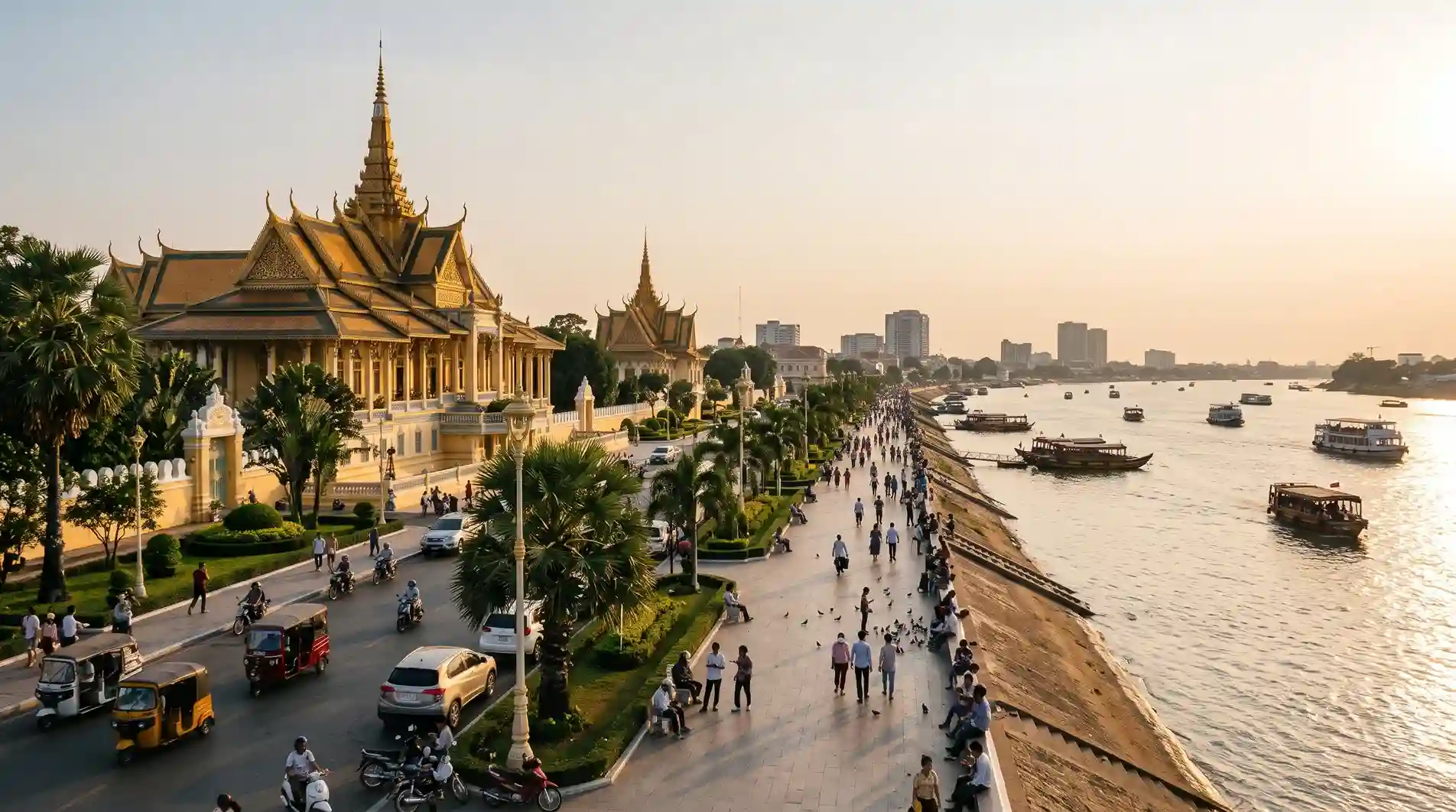
Phnom Penh
Capital, government and finance
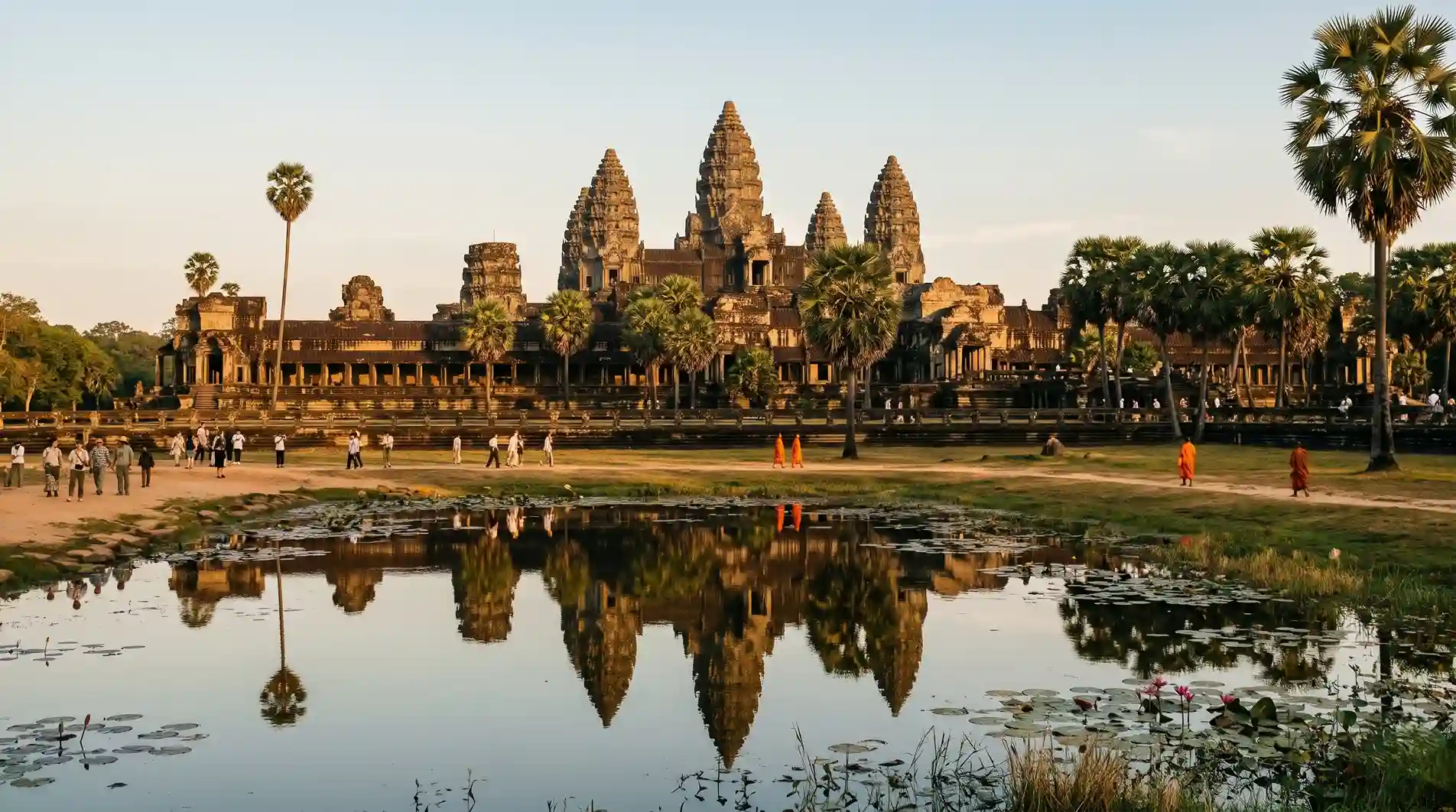
Siem Reap
Tourism and events
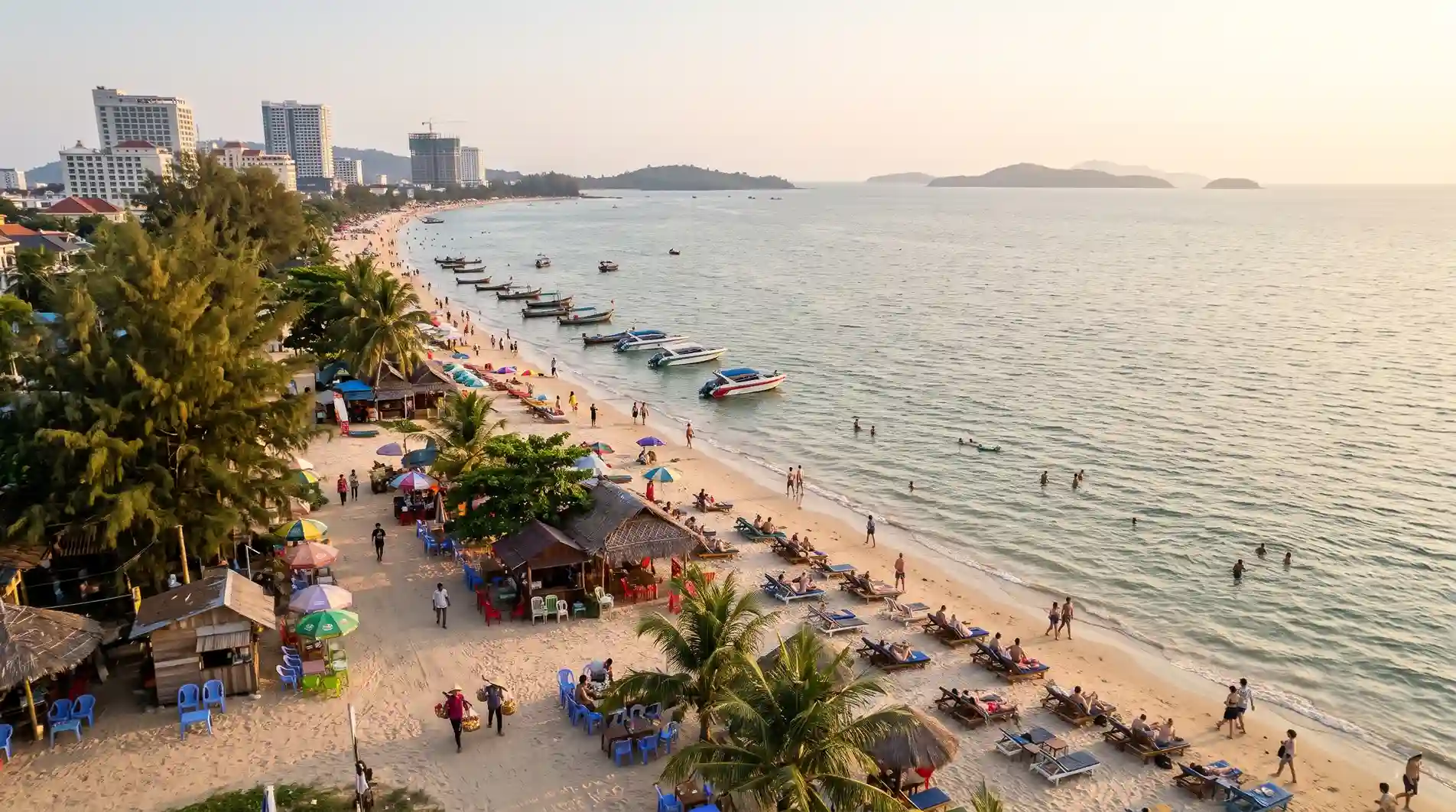
Sihanoukville
Port city and coastal investment
Frequently Asked Questions
Straight answers to the questions we hear most from Cambodia business eVisa applicants.
How much is the Cambodia business eVisa?
The government fee is US$35 for the business eVisa (Visa E). With VistoRoute, your total at checkout also includes our service fee for specialist review, status tracking and support.
Do I need an invitation letter?
Yes. Business applicants provide a letter of invitation from the Cambodian company or organisation they will meet, along with a confirmed hotel reservation.
How long can I stay on the business eVisa?
The business eVisa is a single-entry permit valid for 3 months from issue, with a stay of up to 30 days. Ordinary visas can usually be extended in Cambodia through immigration.
Can citizens of visa-free countries apply for it?
Yes. If your passport allows visa-free tourism but your trip is for business, you can still apply for a business eVisa.
Does the business eVisa let me work in Cambodia?
No. Working in Cambodia involves separate permit requirements. The eVisa covers business visits such as meetings and conferences.
Do I still need the e-Arrival Card?
Yes, if you arrive by air. It is a separate, free online form completed within 7 days before you land.

Grace Wilson LinkedIn
Visa Content Specialist
Covers visa routes, eligibility streams and application rules across the VistoRoute country guides. Facts on this page are checked against the visa authority's published guidance before it is updated.
Content Disclaimer: Last updated in November 2026. We research every requirement from official sources, but visa rules, fees and processing times can change, so confirm critical details with the relevant authorities before you travel. Final approval is always at the discretion of the Cambodia authorities. VistoRoute is a private visa assistance service and is not affiliated with any government.