
Is Financial Proof a Mandatory Upload for the Tanzania eVisa?
For the standard Ordinary (tourist) Visa application, Tanzania's Immigration Services Department does not list a bank statement or specific proof-of-funds document as a mandatory upload field on the online form. The core checklist for most applicants is your passport scan, photo, proof of a return ticket, the completed application, and the visa fee. That said, this doesn't mean financial proof is irrelevant - it simply isn't something you attach during the online application itself for most tourist applications.
Where Financial Proof Actually Comes Into Play
Even though it's not a standard upload field, evidence of sufficient funds can still matter at two points in your trip:

- At the port of entry. Immigration officers retain discretion to ask any arriving traveller to demonstrate they can support themselves financially during their stay, regardless of whether they hold an approved eVisa. An approved Visa Grant Notice confirms your application was accepted - it does not remove the officer's authority to assess your overall entry eligibility on the day.
- For specific visa categories. Student Visa applicants generally need to show proof of sponsorship or sufficient funding to cover their course and living costs as part of their supporting documents. Business Visa and Multiple-Entry Visa applicants attending bilateral meetings or consultancy assignments may also need documentation showing how the trip is being funded, depending on the nature of the visit.
Is There an Official Minimum Amount?
Tanzania does not publish an official minimum daily amount or total balance requirement for tourist entry. You may come across figures suggested by travel blogs or visa agencies (commonly cited informally around USD 50 per day of stay), but these are practical estimates rather than published government thresholds. The safer approach is to have clear, verifiable evidence that you can reasonably cover your accommodation, meals, transport, and activities for the length of your trip, rather than aiming for a specific number.
What Counts as Acceptable Proof of Funds
If asked to demonstrate financial means - whether by an airline check-in agent or an immigration officer on arrival - the most commonly accepted forms of evidence are:

- A recent bank statement showing available balance
- A valid credit card with sufficient available credit
- A pre-paid safari, tour, or accommodation package confirmation, which demonstrates that a significant portion of your trip costs are already covered
- A sponsorship or invitation letter, where a host, employer, or family member is covering your costs, ideally alongside evidence of the sponsor's ability to do so
Financial Proof for Specific Traveller Situations
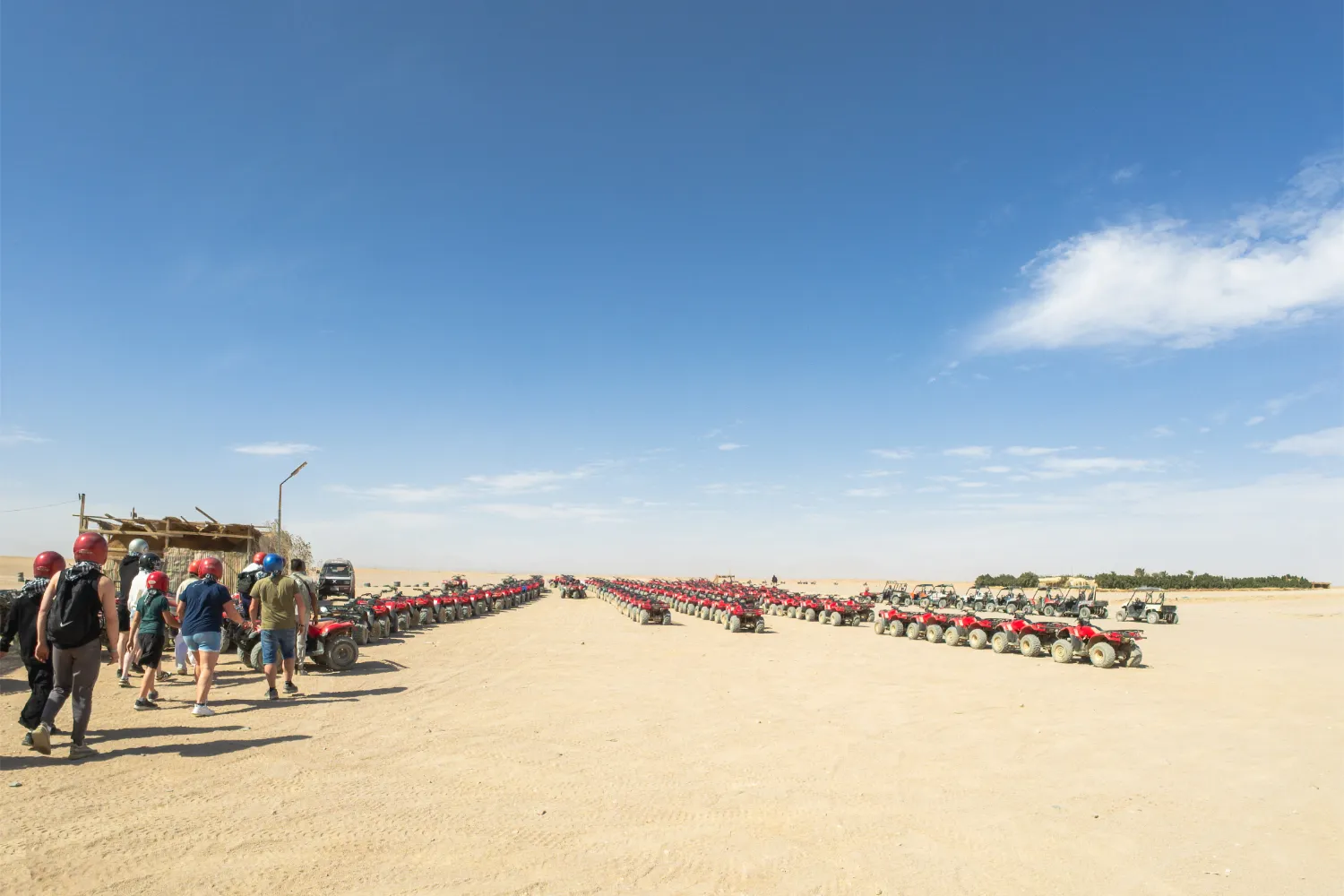
Safari and package tour travellers: If most of your trip - accommodation, park fees, transport, meals - is already paid through a tour operator, your booking confirmation itself generally serves as strong evidence of financial preparedness, since it shows your major costs are already settled.
Independent travellers on a flexible itinerary: If you're travelling without a pre-booked package, it's worth carrying a recent bank statement or having access to your account through a banking app, since you're more likely to be asked to demonstrate funds without a tour booking to point to.
Students: Proof of funding is a standard part of the Student Visa supporting documents, typically in the form of a sponsorship letter, scholarship confirmation, or personal financial statement covering the duration of the programme.
Business and consultancy travellers: Where the trip is employer-funded, a letter from the employer or hosting company confirming that costs are covered is usually sufficient and is often requested as part of the Business or Multiple-Entry Visa supporting documents rather than a separate financial proof step.
Common Misunderstandings About Financial Proof
- Assuming it's a mandatory upload for every applicant. It isn't part of the standard Ordinary Visa application form; it's a discretionary check that can happen at the border.
- Assuming an approved eVisa removes the need to carry any proof. Approval confirms your application was accepted, not that every entry condition has been permanently satisfied - officers can still ask questions on the day.
- Relying on unofficial "minimum amount" figures as if they were law. Since Tanzania hasn't published a fixed threshold, focus on having genuine, verifiable proof rather than hitting an arbitrary number.
- Carrying only cash as proof. A bank statement, credit card, or paid booking confirmation is generally more useful and credible than showing physical cash on hand.
Practical Tips Before You Travel
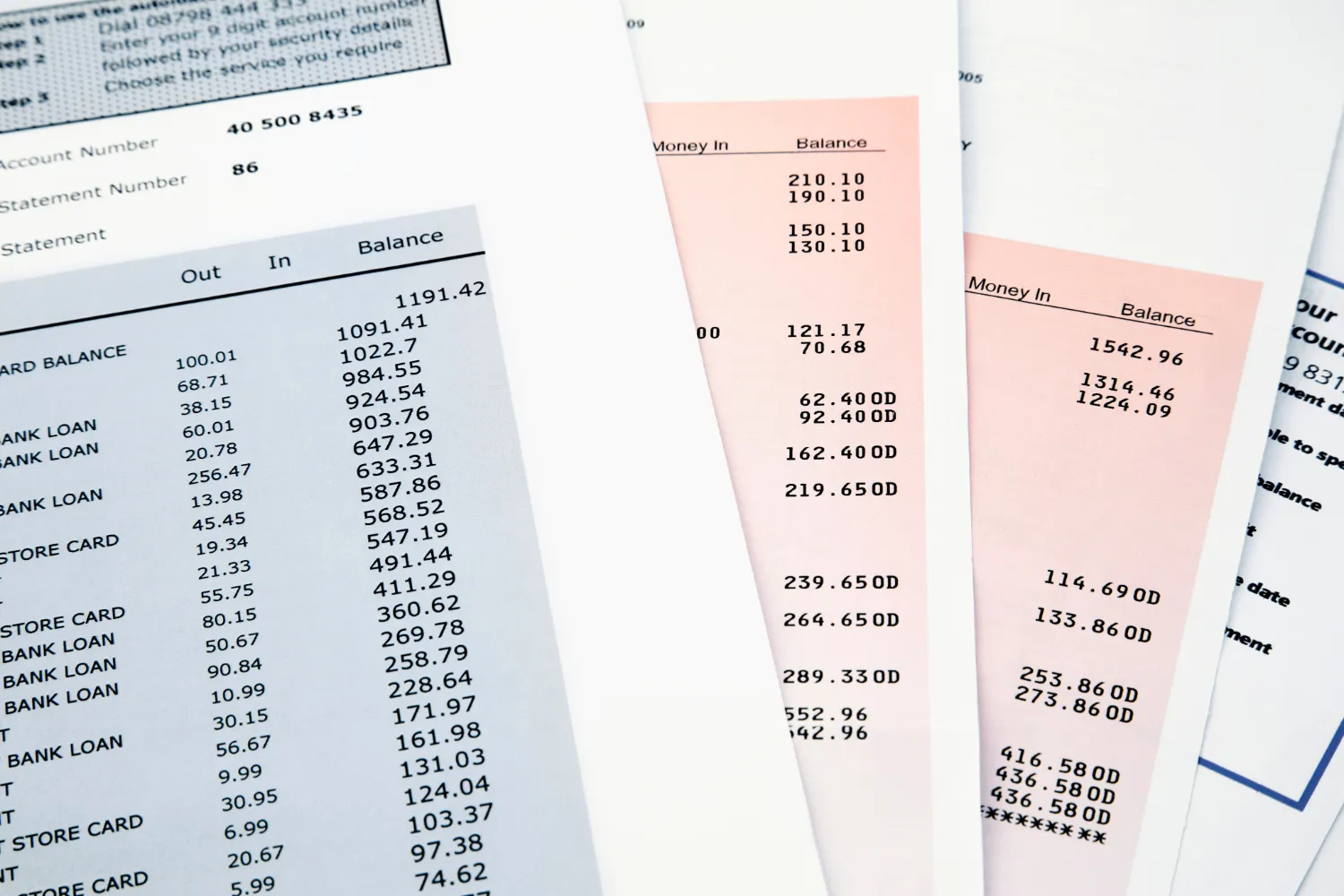
- Download or print a recent bank statement (ideally covering the last one to three months) before your trip, even if you don't expect to be asked for it.
- Keep booking confirmations for pre-paid accommodation, safaris, or tours easily accessible, either printed or saved offline on your phone.
- If someone else is funding your trip, carry a short letter from them confirming this, along with their contact details.
- Don't rely solely on online banking access at the border, since connectivity isn't guaranteed - a downloaded PDF or printed statement is more reliable.
Frequently Asked Questions
1. Do I need to upload a bank statement when applying for the Tanzania eVisa?
No, not for the standard Ordinary Visa application. Financial proof isn't part of the core online upload requirements, but immigration officers can still ask you to demonstrate sufficient funds at the port of entry.
2. Is there a minimum amount of money required to enter Tanzania?
Tanzania has not published an official minimum daily amount or balance requirement. Figures like USD 50 per day are informal estimates from travel guides rather than government thresholds.
3. What counts as acceptable proof of funds in Tanzania? A recent bank statement, a credit card with sufficient available credit, a pre-paid tour or accommodation confirmation, or a sponsorship letter from whoever is funding your trip are all commonly accepted forms of evidence.
4. Do safari travellers need to show extra proof of funds? Usually not beyond their booking confirmation. A pre-paid safari or tour package itself typically demonstrates that your major trip costs are already covered.
5. Does an approved eVisa mean I won't be asked about my finances at the airport? Not necessarily. An approved Visa Grant Notice confirms your application was accepted, but immigration officers retain discretion to ask any arriving traveller about their means to support their stay.
6. Do students need different financial proof for their Tanzania visa? Yes. Student Visa applicants typically need to show proof of sponsorship or sufficient funding for their course and living costs as part of the standard supporting documents for that category.
This article clarified what kind of financial documents are usually accepted. It saved me a lot of confusion.