


On this page
Short answer
Do Chinese citizens need a visa for Vietnam?
Yes. Chinese citizens are not on Vietnam’s general visa-exempt list, so most travellers apply for the eVisa. Two narrow exceptions exist, and both come with strict conditions:
| Scenario | Visa needed? | What to know |
|---|---|---|
| Independent trip for holiday, family or a short business visit | Yes, eVisa | Apply online and print the approved PDF |
| Package-tour group of 2 or more, flying directly from mainland China to Cam Ranh | No, up to 30 days | Khanh Hoa only, pilot from 12 Oct 2026 to 31 Dec 2027 |
| Flying only to Phu Quoc island, straight from abroad | No, up to 30 days | Island only; the mainland needs an eVisa |
| Hong Kong or Macao SAR passport | Different rules | The Khanh Hoa pilot excludes these passports |
Vietnam eVisa for Chinese e-passport holders: the loose-leaf visa rule
The Vietnam evisa for Chinese e-passport loose leaf question comes up because Vietnamese immigration has long handled Chinese biometric passports differently. You can still apply for the eVisa online, but at the border you may receive a separate paper visa instead of a stamp in your passport.
Vietnam tourist visa for China passport holders: your options
A Vietnam tourist visa for China passport holders can be arranged in four ways. For most independent trips the eVisa is the simplest. See the eVisa and visa on arrival comparison for the trade-offs.
| Option | Best for | Validity | Government cost |
|---|---|---|---|
| eVisa, single entry | One trip with one arrival | Up to 90 days | US$25 |
| eVisa, multiple entry | Land border trips and repeat visits | Up to 90 days | US$50 |
| Khanh Hoa group-tour exemption | Package tours flying directly to Cam Ranh | Up to 30 days | No visa fee |
| Embassy or consulate visa | Cases the eVisa does not cover | Depends on visa type | Higher fee, in person |
Vietnam eVisa cost for Chinese citizens
The Vietnam evisa cost for Chinese citizens has two parts: the government fee, and a separate service fee for application assistance. See the fees page for the full breakdown.
- Single entry eVisa
- Government fee of US$25, valid for up to 90 days.
- Multiple entry eVisa
- Government fee of US$50, valid for up to 90 days.
- Paying from China
- Charged in US dollars. Check with your bank that your card works for overseas online payments, and expect your issuer’s own exchange rate.
- If you are refused
- Government fees are not refunded if an application is refused or your plans change.
- VistoRoute service fee
- Separate from the government fee. The exact amount is shown on the application page before you pay.
Vietnam eVisa land border ports from China
If you cross by land, the Vietnam evisa land border ports from China matter more than any other detail: the eVisa works only at the gate you select on the application. Land gates with China that appear on Vietnam’s eVisa list include:
- Mong Cai (Quang Ninh)
- The crossing opposite Dongxing, in the north-east near Ha Long Bay.
- Huu Nghi (Lang Son)
- The Friendship Pass opposite Pingxiang, the closest crossing to Hanoi by road.
- Lao Cai
- The crossing opposite Hekou, the gateway to Sapa and the north-west.
Gates have set opening hours and rules can change, so check the entry ports page before you travel. Choosing the wrong gate is one of the most common reasons travellers are turned back.
How to apply Vietnam eVisa from China online
Here is how to apply Vietnam evisa from China online. It takes about 15 minutes if your documents are ready. See the full application guide for every field.
- Step 1: Choose your eVisaPick single or multiple entry. Choose multiple entry for land border trips where you may re-enter.
- Step 2: Fill in the formEnter your details exactly as in your passport, your entry date and the exact entry gate you will use.
- Step 3: Upload documentsAdd the passport scan and a portrait photo on a plain white background. Our team checks both before submission.
- Step 4: Review fees and payPay by card. The government fee is in US dollars and the service fee is shown before you confirm.
- Step 5: Receive and printDownload the approved PDF, print a copy and keep it with your passport. Track progress on the status check page.
Vietnam visa from China December 2026: apply-by dates
Government processing time is 3 working days, counted Monday to Friday and excluding Vietnamese public holidays. Christmas Day is not a public holiday in Vietnam, but 1 January 2027 is. These apply-by dates are our suggested buffers, not government deadlines.
| Landing in Vietnam | Apply by | Why |
|---|---|---|
| 15 to 25 Dec 2026 | 5 to 10 Dec 2026 | Holiday volume and time to fix a typo |
| 26 Dec 2026 to 5 Jan 2027 | 14 to 18 Dec 2026 | 1 January is a public holiday, so it is not a working day |
| 6 to 25 Jan 2027 | At least 10 days before landing | Applications build up ahead of Spring Festival |
Vietnam eVisa for Chinese New Year 2027 travel
Planning a Vietnam evisa for Chinese New Year 2027 travel? Spring Festival falls on 6 February 2027, and Vietnam’s own Tet holiday closes public offices from 4 to 10 February 2027. This is the busiest border and airport week of the winter.
Spring Festival departures
Apply by mid January 2027. This is the Vietnam evisa Spring Festival 2027 processing cutoff we suggest, so a correction request does not collide with the holiday closure.
Border gates are busy
Allow extra time at the gate and confirm the opening hours of the gate you selected.
Where Chinese travellers go in Vietnam
From beach resorts to northern mountains, here are popular destinations for winter and Spring Festival. Weather ranges are typical and vary each year.
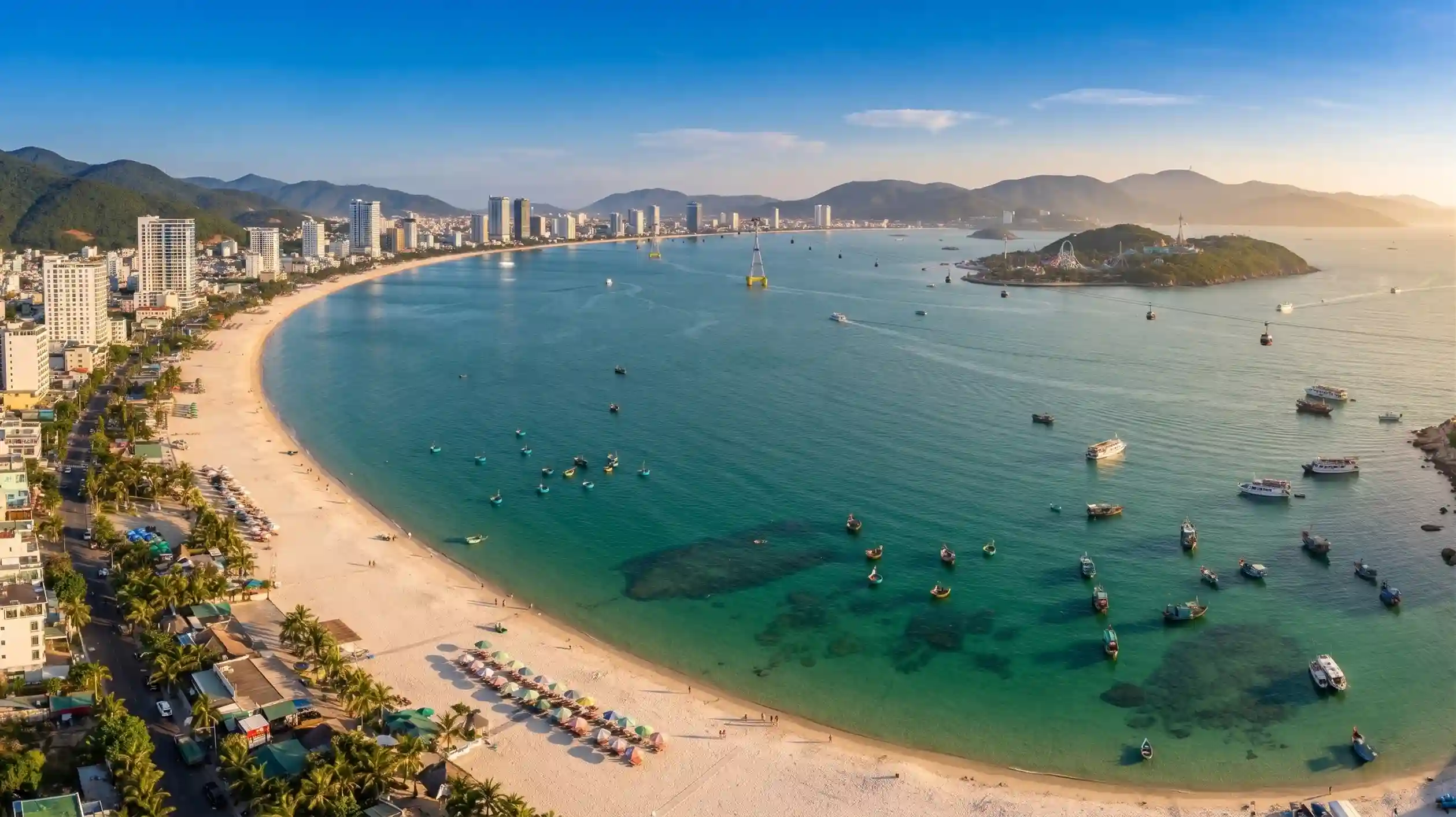 CXR Airport
Nha Trang & Cam Ranh
Beach resorts and island boat trips in Khanh Hoa, the province covered by the new group-tour pilot.
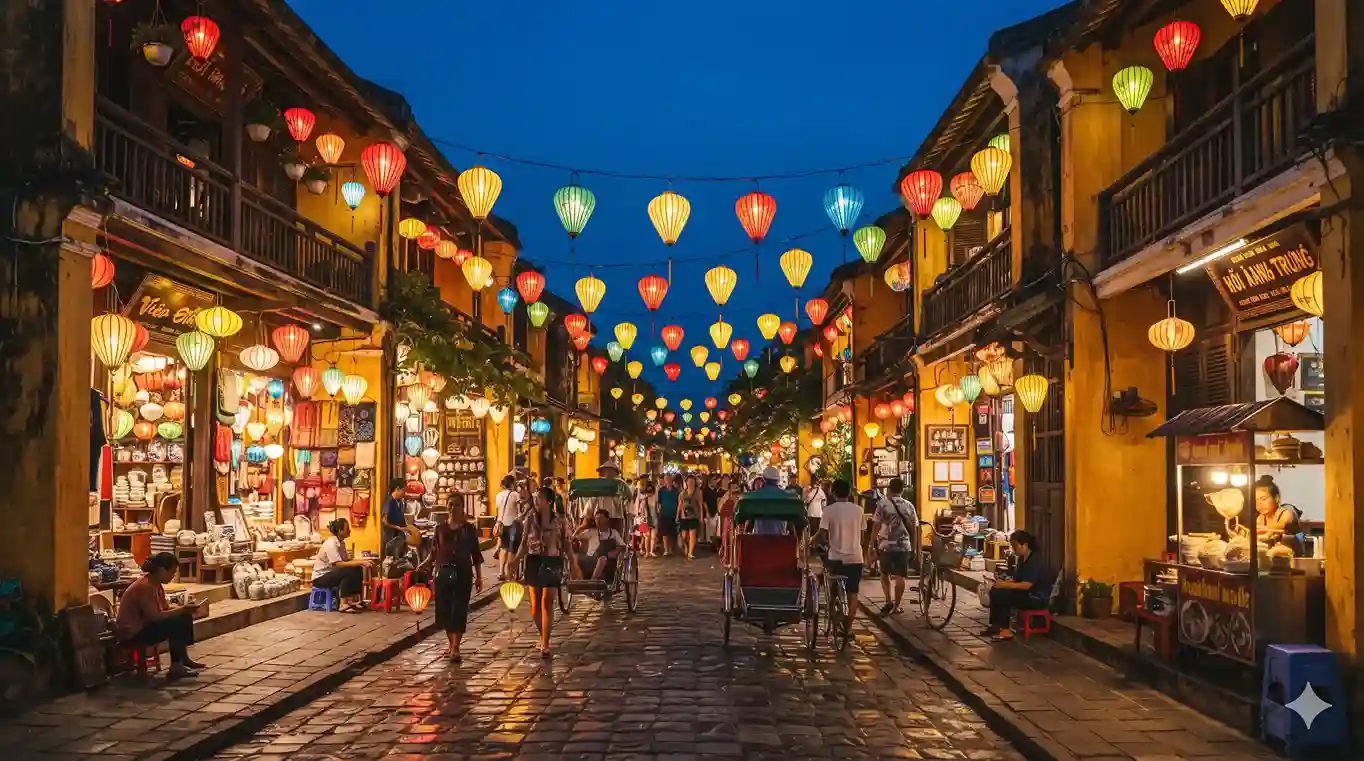 DAD Airport
Da Nang & Hoi An
Beaches and lantern-lit Hoi An. The central coast can still be wet in December, so check the forecast.
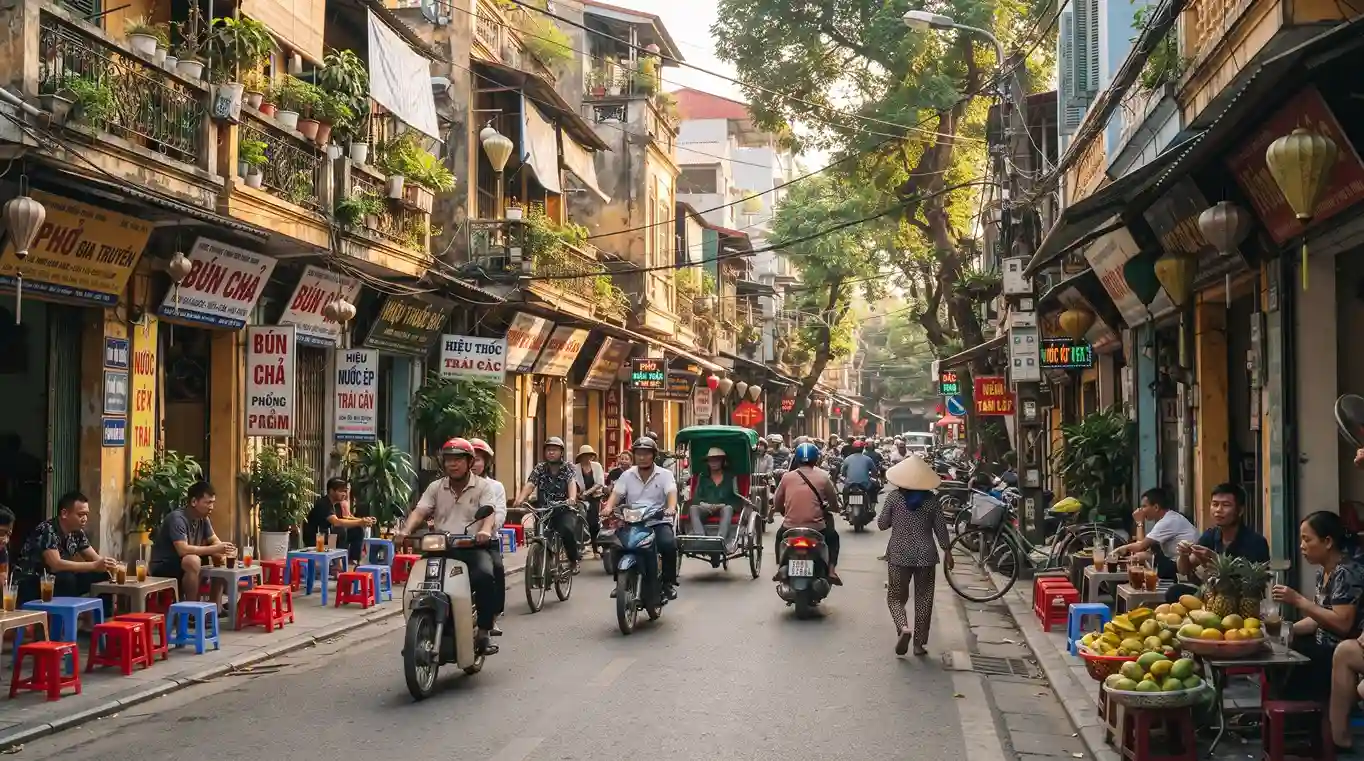 HAN Airport
Hanoi & Ha Long Bay
Cool winter days, Old Quarter food walks and misty cruises among the limestone islands of Ha Long Bay.
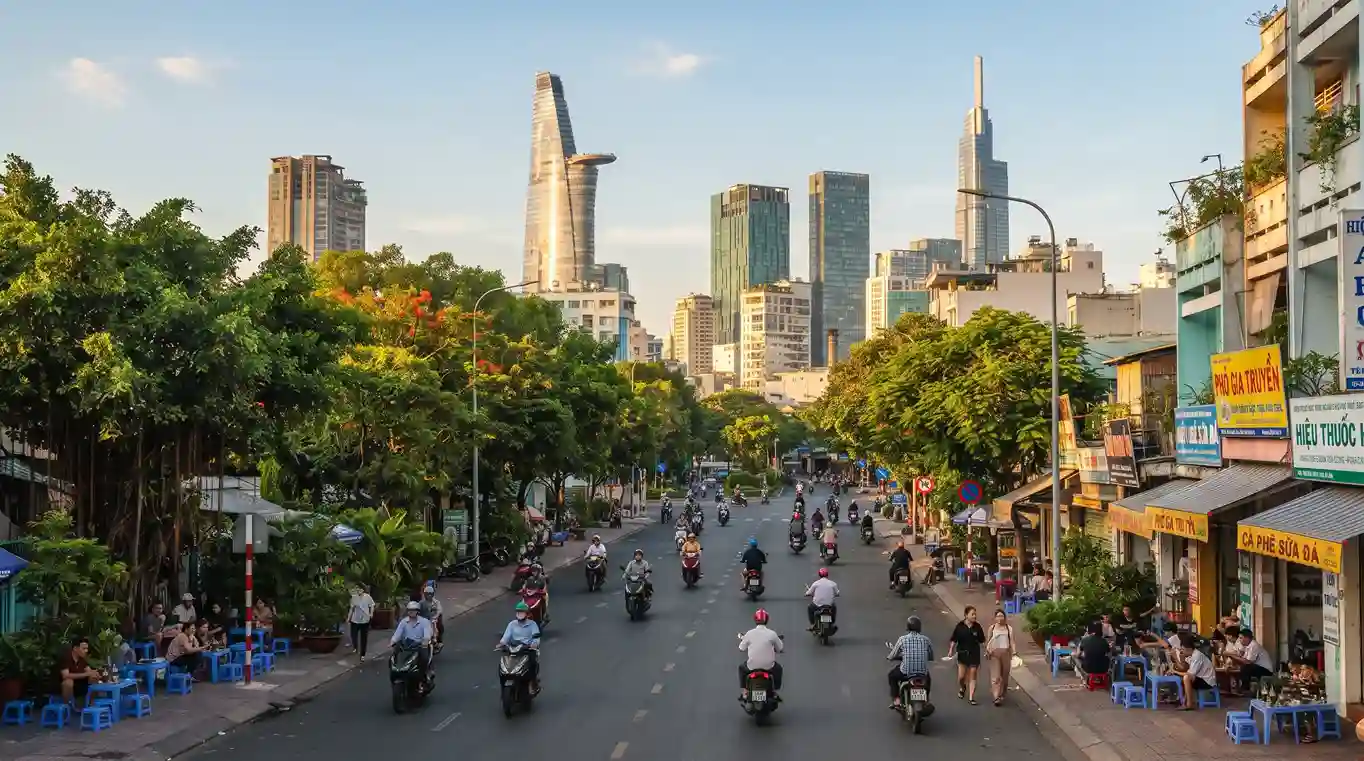 SGN Airport
Ho Chi Minh City
Hot, dry-season sunshine and a big New Year city atmosphere.
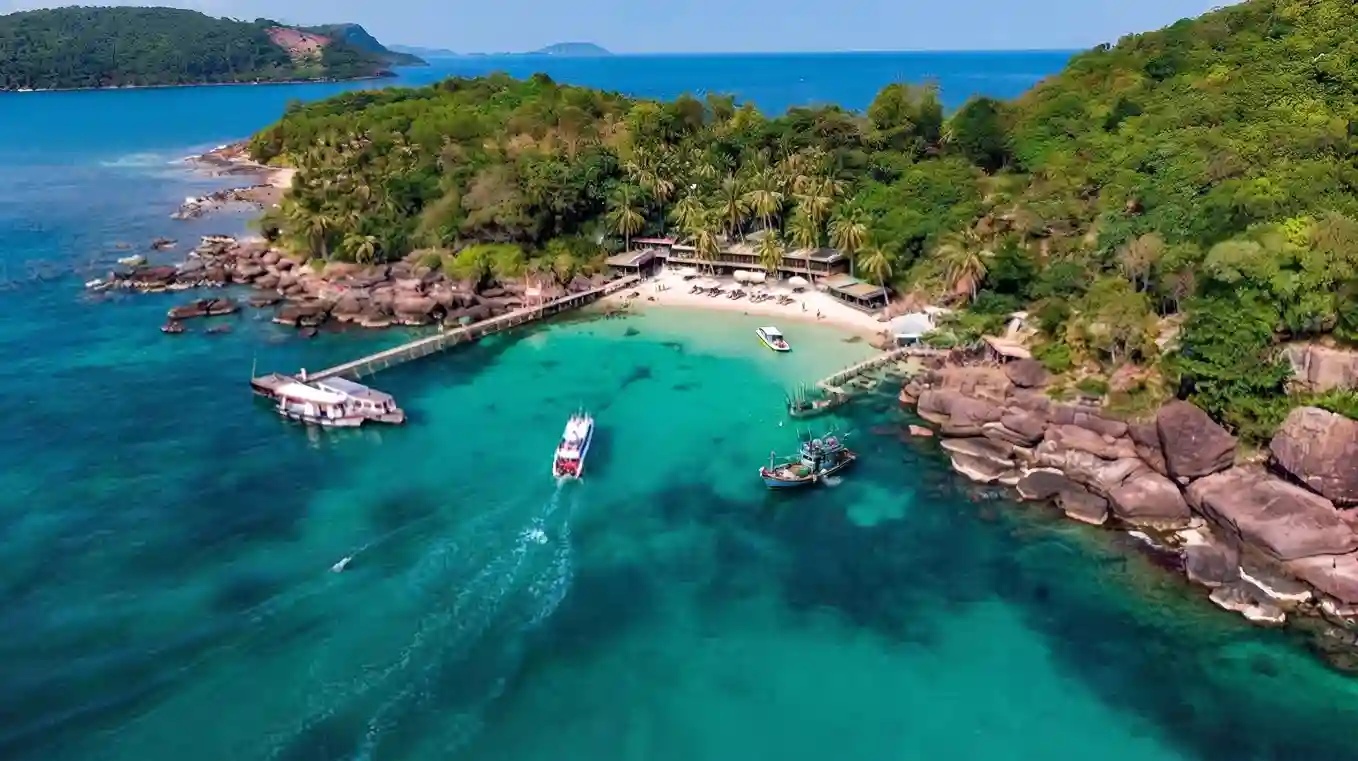 PQC Airport
Phu Quoc
Dry-season beaches and the island’s separate 30-day no-visa rule for direct arrivals from abroad.
 Lao Cai gate
Sapa
Cool mountain scenery in the north-west, reached through the Lao Cai gate or from Hanoi. Expect cold, misty weather in winter.
Travelling with friends or family on other passports? See our Vietnam eVisa guides for Taiwanese citizens, Canadian citizens, Australian citizens and US citizens.
Frequently asked questions
Do Chinese citizens need a visa for Vietnam?
Does the Chinese e-passport change how the Vietnam eVisa works?
How much is the Vietnam eVisa for Chinese citizens?
Which land borders can I use with a Vietnam eVisa from China?
Is there a visa exemption for Chinese tour groups?
How early should I apply for Chinese New Year 2027 travel?
Can Chinese citizens apply for a 90-day Vietnam eVisa?
Do I need to print my eVisa, and is there an arrival form?
Content disclaimer: visa rules and fees are set by the Government of Vietnam and can change at short notice. This page is general information, not legal advice. Confirm current requirements with the relevant Vietnamese authorities before you travel.